01 / THE BUYER'S MANDATE
What is buy side advisory?
Buy side advisory is professional support for the person or organisation acquiring a business. The advisor helps turn the buyer’s objectives into acquisition criteria, find suitable opportunities, screen the information available and organise the next steps. The work begins with understanding what ownership needs to achieve for you. That could mean replacing employment income, operating a company yourself, investing alongside a management team or adding a complementary business to an existing group.
Discreet Acquisitions provides buy side advisory for US business buyers who want a focused search for an established, cash flowing company. We bring structure to the work between deciding to buy and deciding which business deserves your attention. You retain control over the opportunities you pursue, the specialists you appoint and the terms you accept.
02 / START WITH THE OUTCOME
A business that fits the life you want to build
A profitable business can still be the wrong acquisition. Its owner may hold every customer relationship. Its location may demand a move you do not want to make. Its apparent cash flow may depend on working hours, technical skills or relationships you cannot replace. A useful acquisition search addresses these issues before you spend weeks reviewing a deal.
We start with the role you want after completion, your available capital, your funding plan and your appetite for operational involvement. An owner operator and a buyer seeking an existing management team need different screening criteria. Family offices, private investors and strategic acquirers also need clarity about decision authority and what the business must contribute to the wider portfolio.
03 / DEFINE THE SEARCH
Your buy box makes the search accountable
A buy box is a written set of acquisition criteria. It covers industry, geography, purchase price, earnings, business model, operating responsibilities and exclusions. It should separate requirements from preferences. A requirement might be an established management team. A preference might be a particular state. Treating both as equally fixed can exclude useful opportunities before you have considered the trade offs.
During the free Buy Box Audit, we discuss whether your criteria, resources and timeline fit together. We also identify questions to resolve with your lender or other advisers. The output gives a paid search a clear starting point and creates a consistent basis for reviewing opportunities. If your objectives change, the criteria should be updated deliberately, rather than drifting with every attractive listing.
| Decision | Question to answer |
|---|---|
| Your role | Which responsibilities will you personally take on after completion? |
| Your resources | What capital and operating capacity are actually available? |
| Your boundaries | Which conditions would make you decline an otherwise attractive business? |
04 / FIND RELEVANT OPPORTUNITIES
On market and off market businesses, screened for fit
Public listings are useful, but they are only one route to a conversation. A managed search can combine relevant intermediaries, industry relationships and targeted owner outreach. The mix depends on your mandate and the market. We use your buy box to decide where to look and which businesses merit further investigation, rather than treating every available listing as a suitable lead.
Off market businesses are companies that are not being openly marketed for sale. Their owners may be open to a discussion, may prefer a later date or may have no interest in selling. A researched target becomes a potential acquisition only when there is meaningful seller interest. We distinguish target research, owner conversations and screened opportunities so you can understand what the pipeline actually contains.
Discretion matters when approaching owners. The discussion should have a credible buyer rationale, a clear purpose and an appropriate level of confidentiality. An off market introduction does not establish exclusivity, a bargain price or a willing seller. The same commercial scrutiny applies whichever channel produced the opportunity.
05 / PROTECT YOUR ATTENTION
Screen the business before committing to the story
Initial screening compares the opportunity with your agreed criteria and identifies information gaps. We look at what the business does, its location, available financial information, the owner’s role and the reasons it may suit your objectives. A good screening note explains both the attraction and the unanswered questions. Seller materials are a starting point for investigation, rather than verification of the claims they contain.
Consider an illustrative buyer seeking a business with limited day to day involvement. A company might meet the buyer’s revenue and price range but rely on the owner to quote every project and supervise every employee. The screening question becomes who will perform that work, at what cost and with what effect on earnings. Catching the mismatch early can prevent an unsuitable deal consuming the search.
06 / VISIBLE PROGRESS
The buy side advisory process
Our process begins with a feasibility conversation and an agreed acquisition brief. A paid mandate then defines the search scope, reporting and commercial terms. We research potential targets, engage relevant contacts, screen emerging opportunities and review progress with you. When you choose to advance a business, we help organise introductions, information requests and the work with your appointed advisers.
Weekly pipeline reviews keep decisions visible. You should be able to see which opportunities are active, which were declined, why they were declined and what needs to happen next. This makes the search easier to manage alongside a job, another company or an investment portfolio. It also helps identify when the original buy box needs refinement because the evidence is different from the initial assumptions.
For a closer look at the outputs and responsibilities within a mandate, see our buy side advisory services. For the work around evaluating and advancing a transaction, see buy side M&A advisory.
07 / KNOW WHO REPRESENTS YOU
Buy side vs sell side advisory
A sell side advisor is engaged to help a seller market and sell a business. A buy side advisor works to an acquisition mandate for a buyer. Both may contribute to a transaction, but their client relationships and objectives differ. When speaking with anyone involved in a deal, clarify whom they represent, what they are paid to do and whether another party may compensate them.
Buy side and sell side advisory are therefore different roles, even when the professionals share similar transaction experience. Discreet Acquisitions centres the search on your criteria and your decision process. The written mandate should make the scope and fees clear. Any potential conflict should be discussed before it can affect your assessment of an opportunity.
08 / CHOOSE YOUR ADVISOR
What to expect from a buy side advisory firm
When comparing buy side advisory firms, ask how each will turn your objectives into a practical search. Who is doing the research? What counts as a qualified opportunity? How will you see rejected targets? What happens when the market does not support your original criteria? Useful answers describe a working process and the information you will receive.
Also ask where the service ends. Acquisition search and process coordination do not automatically include legal advice, tax structuring, a quality of earnings report or a financing commitment. Knowing the boundary helps you appoint the right specialists at the right time. It also makes proposals easier to compare because you can distinguish the core mandate from separately commissioned work.
09 / AGREE THE COMMERCIAL TERMS
Buy side advisory fees and the written mandate
Buy side advisory fees should be understood before a paid search starts. Our mandates use an upfront fee and an agreed success fee. The written agreement sets out the scope, payment timing, success fee trigger and any credit against the success fee. Your initial Buy Box Audit is free and gives you a chance to discuss fit before choosing a paid engagement.
Read the agreement as a description of the working relationship, as well as the price. Clarify the mandate duration, treatment of opportunities you already know, any exclusivity, third party costs and what happens if the engagement ends. A clear buy side advisory agreement reduces uncertainty while you are evaluating a major commitment.
10 / DISCREET ACQUISITIONS
A direct relationship with a commercially minded team
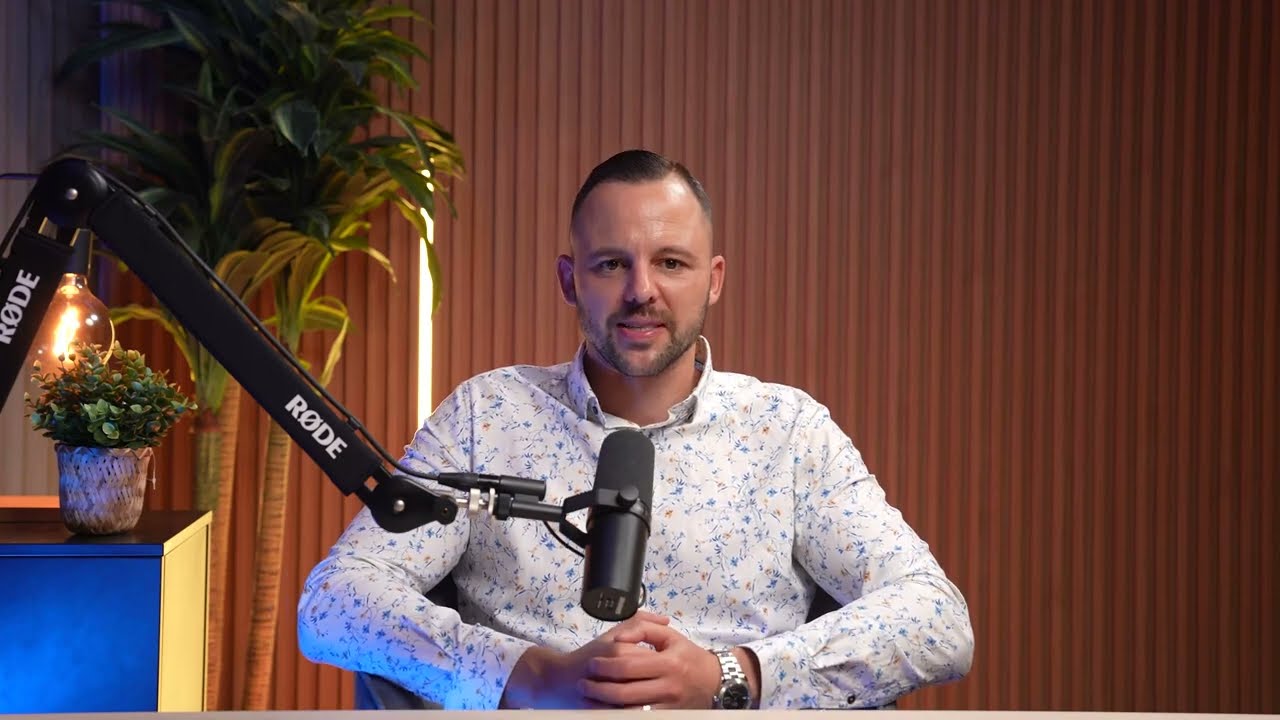
Discreet Acquisitions is led by Philip Pich, a lawyer, former banker and M&A advisor. Our team is based across Australia, the United Kingdom and the United States, serving US based buyers through a confidential acquisition search. We bring legal awareness, financial discipline and commercial judgement to the questions that shape your mandate.
You can expect a clear brief, a documented search and practical discussion about the opportunities in front of you. Your chosen attorney, accountant, lender and other specialists remain responsible for their professional assessments. Learn more about Philip and Discreet Acquisitions, or use the video and acquisition brief below to begin a conversation about your own search.
COMMON QUESTIONS
Before you begin your acquisition search
Do I need a business identified before contacting you?
No. Buy side acquisition advisory can begin before you have a target. Bring your objectives, likely capital range, preferred industries and intended operating role. If you already have a business in mind, tell us what stage the discussion has reached so we can assess the support you need.
Can I keep searching through brokers and listing websites?
Yes. Discuss existing relationships and opportunities at the start so the mandate records how they will be handled. A shared record helps avoid duplicated outreach and makes it clear which party is responsible for following up each business.
Is this suitable for a first time buyer?
It can be, if you have capital or a credible funding plan and are prepared to investigate the responsibilities of ownership. The audit helps identify gaps in your criteria and readiness. It does not establish financing approval or guarantee that a suitable business is available.
What should I prepare for the free audit?
Bring a realistic purchase price range, your equity position, preferred location, target industry and desired timeline. Include any constraints on travel, working hours or personal involvement. Uncertainty is useful to identify too. You do not need a perfectly finished buy box to start.