01 / THE ACQUISITION DECISION
Buy side M&A advisory with a clear acquisition rationale
Buy side M&A advisory helps a buyer identify, evaluate and pursue a business acquisition. M&A means mergers and acquisitions. On the buyer’s side, the work should connect the commercial reason for buying with the evidence needed to move forward. A transaction deserves attention because it advances a defined objective, rather than simply because the seller is available.
Discreet Acquisitions supports US business buyers through acquisition search, preliminary screening and process coordination. We work around your criteria and help organise the information and conversations required as opportunities progress. Your appointed legal, tax, accounting and lending specialists conduct their own assessments. You decide whether the evidence supports continuing, changing the terms or stepping away.
02 / STRATEGIC FIT
Define why this acquisition should happen
A useful acquisition thesis states what you want the business to contribute. An individual buyer may seek an operating company that matches their experience. A strategic buyer may want a new capability, customer base or geographic presence. A private investor may prioritise an established management team. These objectives lead to different questions about staffing, transition, investment and risk.
Before sourcing begins, we help translate that thesis into a buy box. The criteria should identify what must already exist in the target and what you are prepared to build after completion. This distinction matters when a deal relies on future improvements. The search should remain grounded in what the company can demonstrate today, with prospective benefits assessed separately.
03 / TARGET SELECTION
Build a relevant acquisition pipeline
Our search combines suitable on market channels with targeted research and potential off market conversations. A shortlist should reflect your acquisition rationale, geography, earnings requirements, capital position and operating capacity. A long list of company names is research. A useful pipeline explains which businesses have engaged, what information is available and whether there is a credible next step.
For a strategic acquisition, screening may also consider how the target relates to your existing operations. Does the proposed fit depend on retaining a particular manager? Are the customers genuinely complementary? Would a new location require capabilities you do not yet have? Asking these questions early helps distinguish a convincing strategic story from an acquisition you can realistically execute.
04 / COMMERCIAL SCREENING
Understand the earnings behind the asking price
Price is easier to discuss when you understand the basis of the earnings figure. Seller materials may use different measures, periods and adjustments. Preliminary screening should identify what has been provided, what the figures represent and which claims need independent verification. A strong sales narrative cannot resolve incomplete records or unsupported adjustments.
Questions commonly include revenue concentration, recurring versus occasional sales, owner responsibilities, staff retention, working capital and ongoing equipment needs. If the current owner performs a critical function, the cost and feasibility of replacing that work matter to the buyer. A business described as cash flowing may still require substantial reinvestment or additional funding during a transition.
We help organise the questions and information flow around the opportunity. Your accountant or financial diligence provider assesses the records and the reliability of the earnings. Your lender makes its own credit decision. Keeping these responsibilities clear allows preliminary screening to inform the next step without being mistaken for a completed financial investigation.
05 / PRICE AND STRUCTURE
Evaluate the proposed deal as a whole
The headline price is one part of an acquisition proposal. Payment timing, assets included, working capital expectations, seller support and any deferred consideration can change what the buyer is taking on. Two proposals with the same price can create very different practical obligations. Those differences should be identified before the parties invest heavily in documentation.
Our buy side M&A advisory process helps keep commercial questions visible and coordinates discussion with your chosen professionals. We do not treat a seller’s preferred structure as automatically suitable for you. Your legal and tax advisers should assess the documents and consequences of the proposed arrangement, while your financing partners evaluate the funding requirements.
06 / VERIFY BEFORE COMMITTING
Keep due diligence focused on the acquisition thesis
Due diligence should test the assumptions that make the business attractive to you. If the thesis depends on recurring customers, the investigation needs evidence about their relationships, contracts and retention. If it depends on the management team, you need to understand who makes decisions and what happens when the seller leaves. A general checklist is useful only when it leads to the right deal specific questions.
Buy side transaction advisory often involves several disciplines. Financial specialists investigate earnings and accounting. Legal counsel reviews contractual and legal matters. Other specialists may assess technology, operations, insurance, property or environmental issues where relevant. We coordinate information requests, open questions and next actions within the agreed mandate, while the specialist conclusions remain with the people appointed to provide them.
A shared issues list should record the concern, supporting evidence, responsible person and decision required. Some findings need more information. Others may affect price, structure, timing or the decision to proceed. The purpose is to make unresolved matters explicit, rather than allow progress toward a closing date to obscure them.
| Seller statement | Buyer question |
|---|---|
| “Customers keep returning.” | What records demonstrate retention, and how concentrated are the relationships? |
| “The team runs everything.” | Which decisions still require the owner’s involvement? |
| “There is room to grow.” | What people, investment and assumptions would that growth require? |
07 / AN ILLUSTRATIVE DECISION
When an attractive target needs a different approach
Imagine a buyer seeking a complementary services business with a manager already in place. The seller describes the business as largely independent of them. Early conversations then show that the seller approves pricing, maintains the largest client relationships and manages the most important supplier. This is an illustrative situation, not a Discreet Acquisitions case study or reported client result.
The next step is to investigate the responsibilities, transition requirements and associated costs. The business may remain suitable, but only with a different operating plan or revised commercial terms. It may also fall outside the buy box. Useful M&A buy side advisory makes that decision clearer by separating what was claimed, what is supported and what remains unknown.
08 / TRANSACTION COORDINATION
Make the next action and decision owner clear
Once a buyer chooses to advance an opportunity, the number of conversations increases. Owners, intermediaries, attorneys, accountants and lenders may need different information at different times. Without a shared view, requests can be duplicated, responses can be missed and key assumptions can remain unresolved. Coordination gives each workstream a clear owner and next step.
We help maintain that view within the agreed engagement. You should know what has been requested, what has been received, which issues remain open and what decision is needed from you. A target completion date remains dependent on the parties, financing and the work required. Coordination supports progress, but it does not replace professional sign off or guarantee a transaction.
09 / LOOK BEYOND COMPLETION
Think about the first months of ownership early
A buyer should understand how the business will operate after the ownership change. Consider who holds essential knowledge, what support the seller is prepared to provide and which relationships require careful handover. Identify responsibilities that need a named person from the first day. These issues can influence which businesses belong in your search before a particular deal is negotiated.
Any detailed transition or integration work should be specified separately where needed. The acquisition mandate should distinguish search and process coordination from ongoing operational management. A clear boundary helps you build the right team and budget for the period after closing, when the buyer’s operating plan begins to matter in practice.
10 / YOUR ADVISORY ENGAGEMENT
Buy side M&A advisory fees and scope
Discuss fees alongside responsibilities, reporting and the definition of success. Our paid mandates use an upfront fee and an agreed success fee. The written agreement specifies the payment terms, fee trigger and any upfront fee credit. Third party diligence, legal work and financing costs should also be understood when you consider the wider cost of an acquisition.
Typical fees vary with the scope and structure of the engagement. A general figure cannot tell you whether a proposal fits your mandate. Compare what each firm actually undertakes, who performs the work and which costs sit outside the engagement. The free audit gives us a practical starting point for that discussion.
11 / YOUR NEXT STEP
Start with clarity about the business you want
Led by Philip Pich, a lawyer, former banker and M&A advisor, Discreet Acquisitions brings a commercial perspective to the acquisition search. We support owner operators, private investors, family offices and strategic buyers seeking established US businesses. Your criteria guide the mandate and your decisions guide which opportunities advance.
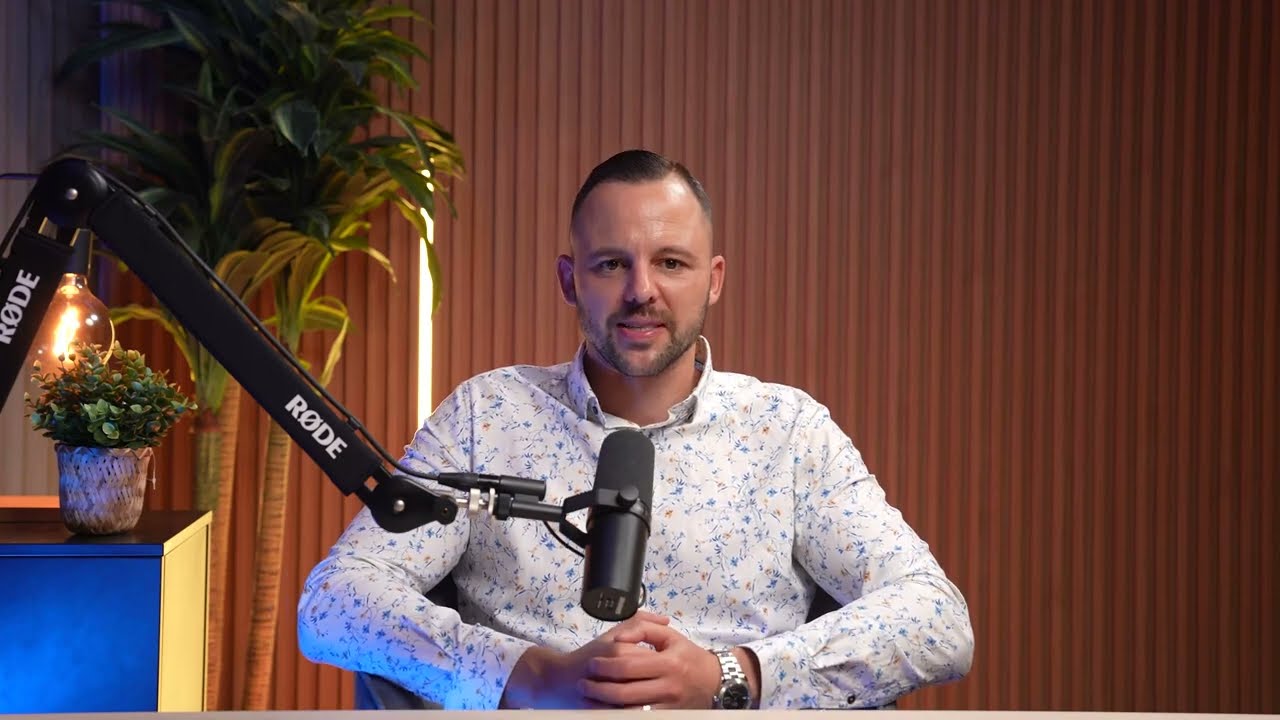
Read our buy side advisory overview for the search fundamentals, or review the services and deliverables included in a mandate. To discuss your own acquisition plans, watch Philip’s introduction and complete the brief below. The Buy Box Audit is a free conversation about your goals, readiness and next steps.
COMMON QUESTIONS
Questions about buy side M&A advisory
Do you replace my attorney or accountant?
No. We provide acquisition search and process coordination within an agreed mandate. Your appointed professionals provide their specialist advice and assessments. A clear allocation of responsibilities helps ensure that an initial screen is not mistaken for legal or financial due diligence.
Can you help if I already have a target?
Tell us about the target, existing discussions, advisers involved and the decisions still outstanding. We can then assess whether our support fits the stage you have reached. Scope and commercial terms need to be agreed before a paid engagement begins.
Does an off market deal need the same investigation?
Yes. The route to the introduction does not verify the company’s earnings, contracts or operating position. Off market businesses should be screened and investigated against the same buyer criteria, with appropriate specialist work before you make binding commitments.